Before the Bot Says Yes: An Intake Policy That Keeps a Human in Reach

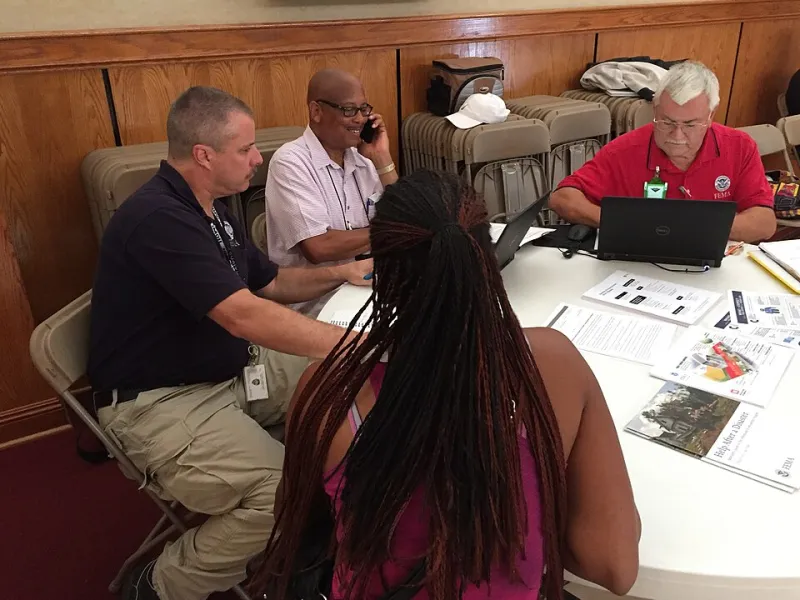
Photo: nonprofit intake desk staff helping applicant with tablet and laptop, via i.discogs.com
Automation at the front door of a community program is no longer a novelty. A family seeking rental assistance may meet a chatbot before a caseworker. An applicant for workforce training may be sorted by an automated eligibility screener. A resident with limited English proficiency may rely on a translation tool to describe an urgent need. These tools can shorten waits and extend hours. They can also collect sensitive information, produce uneven answers, and quietly route people away from help. The difference between access and exclusion is rarely the model itself. It is the policy around the model.
The front door has changed, even if the policy has not
Many organizations adopted intake technology as a pilot, then kept it in production without writing rules for consent, escalation, or retention. Staff improvise. Vendors set defaults. Participants cannot tell whether they are talking to a person, what happens to their information, or how to appeal a result. That is a trust problem before it is a technology problem.
A workable AI intake policy is not a lengthy technical manual. It is a short set of commitments that staff can follow and participants can understand. It should cover disclosure, human review, data handling, bias testing, vendor obligations, and a controlled pilot. The goal is not to remove automation. The goal is to keep a real path to a person.
Disclose the automated interaction at first contact
Before collecting a name, phone number, or household detail, the program should say that an automated tool is in use. The notice should explain the purpose, the information collected, the expected response time, and the option to reach a human. It should be available in the languages the program serves and through accessible formats. A link buried in a footer is not disclosure.
The notice should also avoid promising more than the system can deliver. If the chatbot cannot determine eligibility, say so. If a human review takes two business days, say that. If the conversation is recorded, say that. Plain language is part of the service, not a legal formality.
Define escalation triggers in advance
A policy should name the cases that require human review, regardless of what the automated tool recommends. Common triggers include an applicant request for a person; a denial, waitlist decision, or appeal; a disability accommodation request; a language barrier; conflicting household information; a housing, benefits, or safety emergency; and any case involving sensitive data. High-dollar commitments and vulnerable populations deserve the same care.
The policy should identify who reviews the case, how quickly, and what the applicant is told. A named role is better than a general inbox. Response times should be realistic and monitored. Staff should be able to override the system without seeking permission from the vendor. Every override should be logged, not punished.
Collect less and retain it deliberately
Intake tools often ask for information because the field exists, not because the program needs it. The policy should require data minimization: collect what is necessary for the next step, separate sensitive information from general inquiries, and avoid free-text fields that invite people to share more than they should. Consent for service should be separate from consent for marketing or research.
Retention should follow a written schedule. If a screening conversation does not lead to an application, the program may need the record for a short period to resolve a question, then delete it. Vendors should be prohibited from using program data for model training or secondary purposes. Audit logs should show who accessed a case and when. Deletion should be verifiable, not merely promised.
Test for bias before and after launch
Bias testing is not a one-time fairness review. It is a routine check on outcomes. Before launch, staff should run a set of realistic scenarios across languages, names, ZIP codes, disabilities, family structures, and immigration-related concerns where lawful. Compare how the system routes similar cases. After launch, review denial rates, escalation rates, abandonment, and complaints by group and by channel.
A human sample review should accompany the metrics. Testers should ask whether the system understands informal language, whether it recognizes urgency, and whether it pushes people toward less help. The policy should name a pause condition: if outcomes diverge materially or complaints spike, the tool goes into human-review mode until the problem is corrected.
Put the obligations in the contract
The vendor contract is part of the intake policy. At minimum, it should confirm program ownership of data, prohibit secondary use, require deletion on request, specify security and breach notice, allow audit and testing, identify subcontractors, and set performance standards for language access and accessibility. It should also require a transition plan if the program changes vendors.
Legal counsel should review indemnification, liability, and state privacy requirements. Program leaders should not accept a contract that prevents them from explaining how a decision was made. If the vendor cannot support human review, audit logs, or data export, the tool is not ready for a community-facing intake desk.
Pilot with a stop button
A pilot should start narrow, run in shadow mode alongside existing intake, and keep human review in the loop. Success measures should include time to first response, completion of applications, escalation accuracy, language access, participant confidence, and staff workload. The board or leadership team should see the results before expansion.
Automation can widen access when it is governed. It can also create a polished barrier. The test is simple: can a person who needs help reach a human who can act? If the answer is not yes, the policy is not finished.